Interior Detailing Guide: The Hidden Areas Most Car Owners Forget to Clean

Introduction
A clean vehicle interior is about much more than vacuuming carpets and wiping surfaces.
The areas most commonly ignored are often the ones that accumulate the highest concentration of dust, bacteria, and debris.
Why Interior Detailing Matters
Vehicle interiors are exposed to:
- Dust
- Skin oils
- Food particles
- Pet hair
- Moisture
- Bacteria buildup
Without proper maintenance, these contaminants can affect both appearance and air quality.
Commonly Overlooked Interior Areas
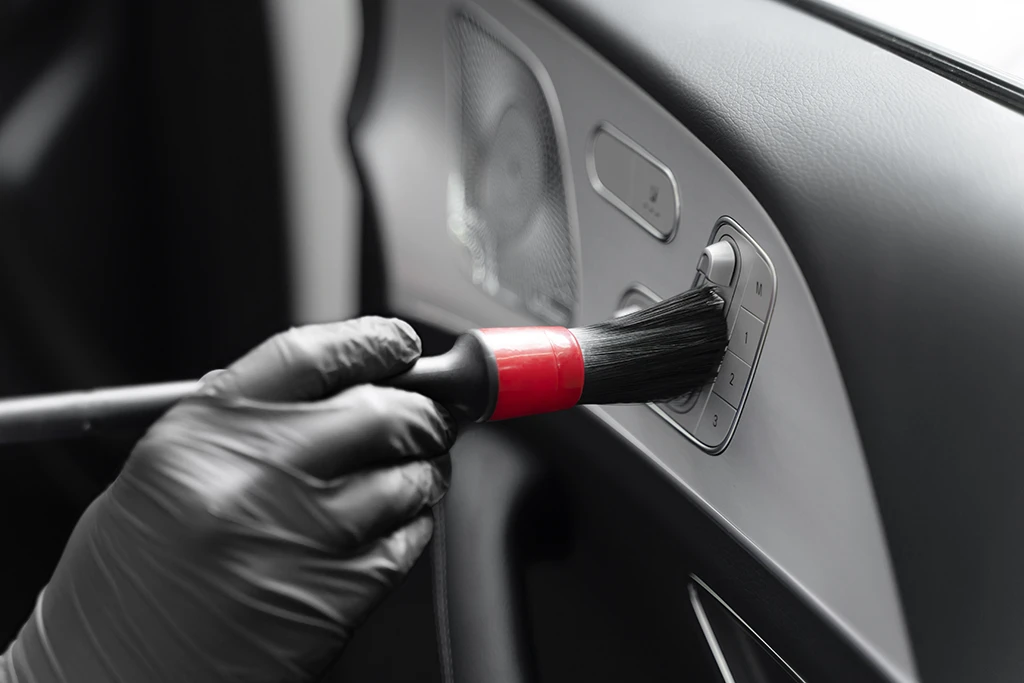
Door Controls and Switches
Window switches, seat memory controls, and lock buttons collect dirt that standard cleaning often misses.
Air Vents
Dust trapped inside air vents can circulate throughout the cabin every time the climate control system is used.
Steering Wheel
The steering wheel is one of the most frequently touched surfaces inside a vehicle.
Cup Holders
Spilled drinks and debris can create odors and staining over time.
Seat Rails and Crevices
These areas often hide years of accumulated dust and debris.
The Difference Between Cleaning and Detailing
Basic cleaning focuses on visible surfaces.
Professional detailing includes:
- Deep cleaning
- Surface restoration
- Sanitization
- Protective treatments
- Precision cleaning of difficult-to-reach areas
Benefits of Professional Interior Detailing
- Improved cabin hygiene
- Better driving experience
- Elimination of odors
- Preservation of interior materials
- Higher resale value
How Often Should You Detail Your Interior?
Recommended schedule:
- Every 3–6 months for daily drivers
- Monthly for luxury vehicles
- Before selling a vehicle
- After long trips
Conclusion
The smallest interior details often have the biggest impact on how a vehicle feels. Professional interior detailing restores comfort, cleanliness, and long-term value.