Paint Correction vs. Polishing: Understanding the Difference Before You Book

Introduction
Many car owners use the terms polishing and paint correction interchangeably. In reality, they are very different services with different objectives and results.
Understanding the difference helps vehicle owners choose the right solution for their paintwork.
What Is Car Polishing?
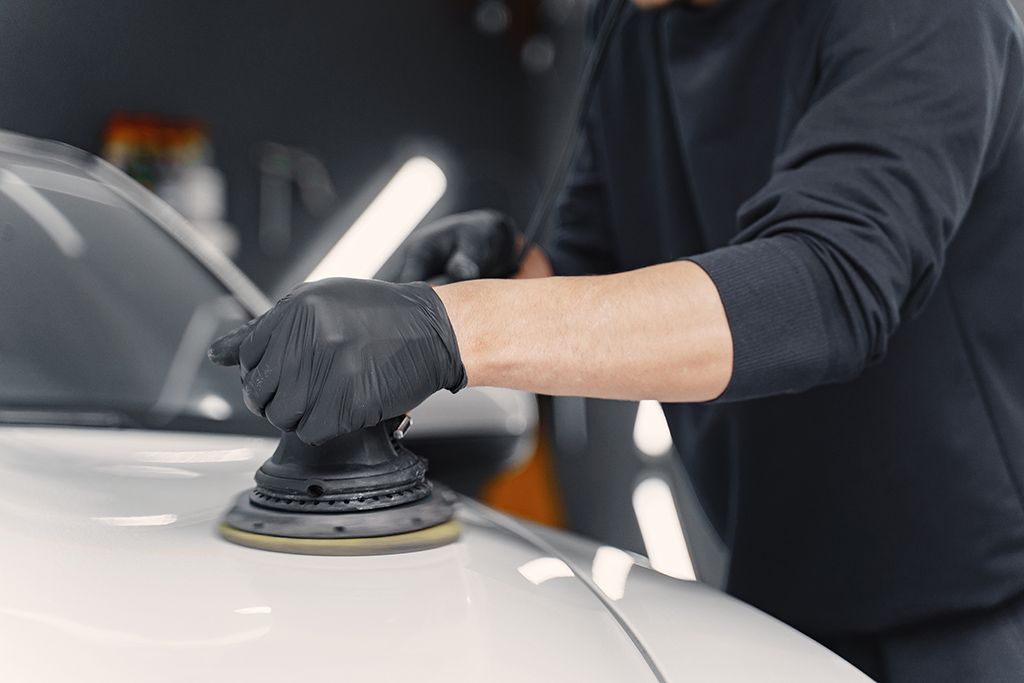
Polishing is a process that improves paint gloss and clarity by refining the surface.
Benefits include:
- Enhanced shine
- Improved reflection
- Better overall appearance
What Is Paint Correction?
Paint correction goes further.
It is a specialized process designed to remove or significantly reduce:
- Swirl marks
- Light scratches
- Oxidation
- Water spots
- Holograms
- Surface imperfections
Signs Your Vehicle Needs Paint Correction
You may need paint correction if:
- Paint appears dull
- Swirl marks are visible under sunlight
- Surface reflections look hazy
- Previous detailing left holograms
Benefits of Professional Paint Correction
Restores Factory-Like Appearance
Paint correction can dramatically improve the visual quality of a vehicle.
Increases Resale Value
A properly corrected finish helps vehicles stand out in the used-car market.
Prepares Paint for Ceramic Coating or PPF
Paint correction is often recommended before installing protective solutions such as:
- Paint Protection Film (PPF)
- Ceramic Coating
Paint Correction and PPF: The Perfect Combination
At premium detailing facilities, paint correction is commonly performed before PPF installation to ensure the film is applied over the best possible surface.
How Long Does Paint Correction Last?
The longevity depends on:
- Driving conditions
- Washing techniques
- Protection methods
When maintained properly, results can last for years.
Final Thoughts
Paint correction is one of the most transformative detailing services available. It restores depth, gloss, and clarity while creating the ideal foundation for long-term paint protection.